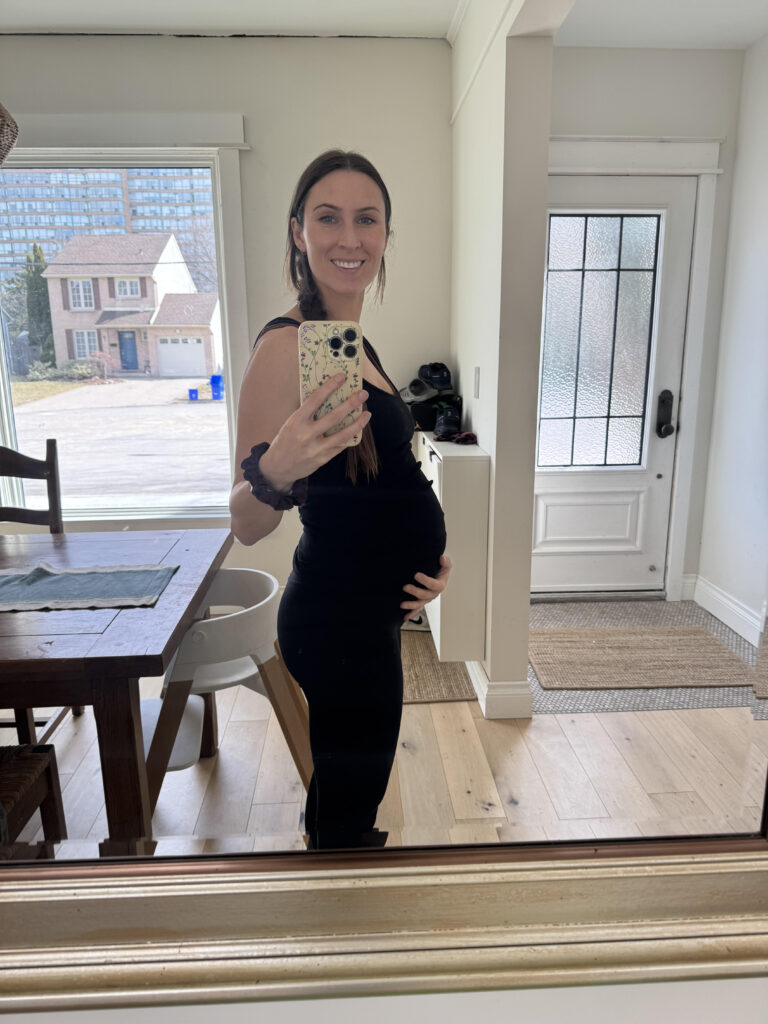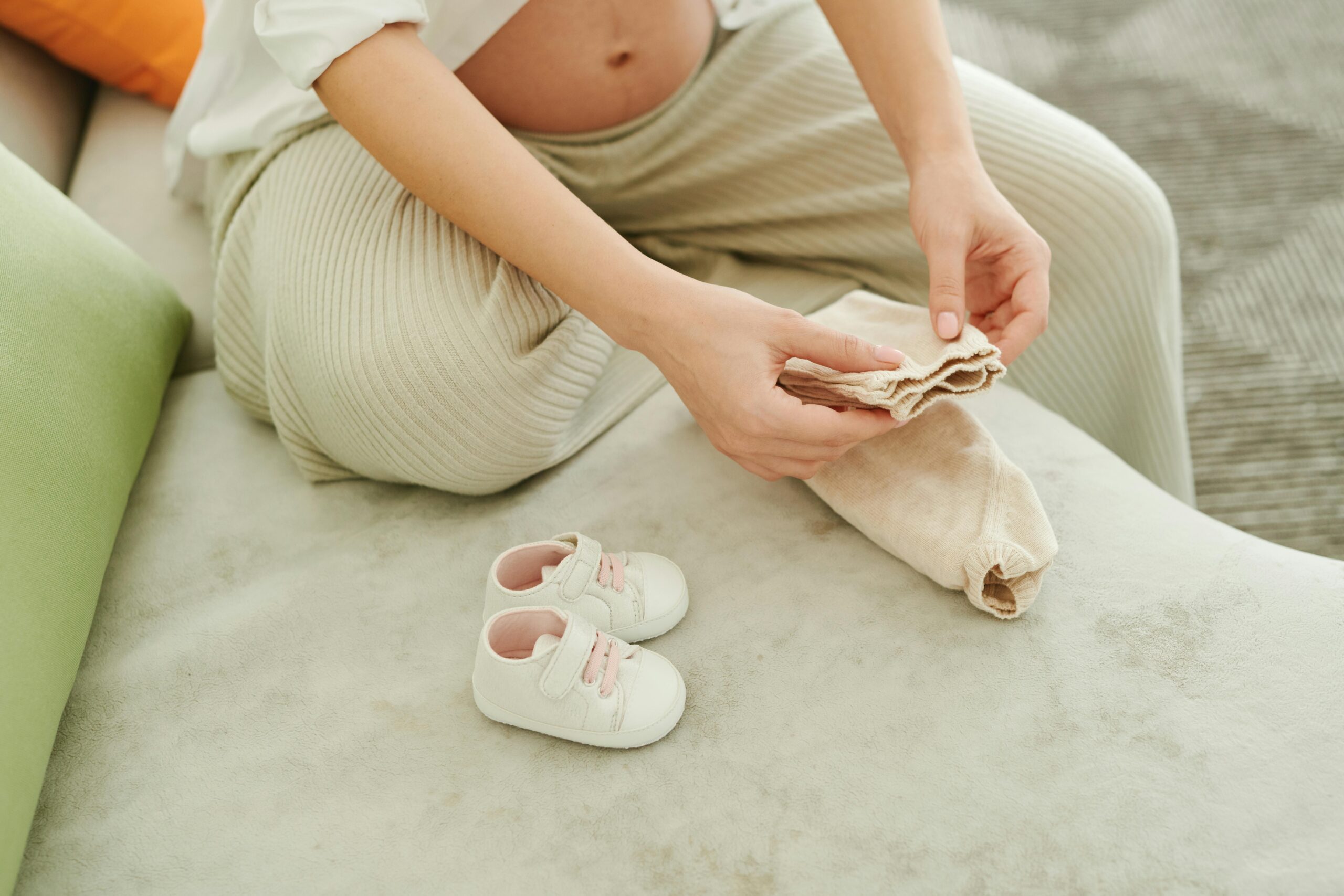
Every hospital bag list I found while prepping for my first two babies made it feel like I was packing for a week-long vacation.
There are so many extra items included that it quickly becomes confusing and overwhelming to figure out what you’ll actually need—especially if it’s your first baby. If you don’t know what to expect, you might find yourself clicking “add to cart” for everything.
I still have items from my first baby that I never used. They’re sitting in my bathroom drawer because I feel too guilty to throw them away. Anyone need some hemorrhoid pads?
I’ve put together a realistic, minimalist hospital bag list for moms giving birth in an Ontario hospital. Not every hospital provides the same items, so keep that in mind as you go through the list.
My biggest piece of advice before we dive in: you don’t need to overpack.
Amazon delivers quickly, drugstores stay open late, and you’re not giving birth in the remote tundra. If you forget something, someone can grab it for you.
You don’t need to pack “just in case.”
If you’re planning your hospital bag and just want someone to tell you exactly what to bring (without overthinking it), I’ve linked a few of my go-to items throughout this post to keep things simple.
Quick Hospital Bag Checklist (If You Need to Pack Now)
If you’re like me and ended up delivering with very little notice. Hello, cholestasis at 37 weeks! Here’s what I’d recommend you pack:
- ID + health card
- Comfortable clothes
- Toiletries (toothbrush, contacts/glasses, facewash, dry shampoo)
- Baby outfit
- Diapers + diaper cream + wipes
- Phone + charger
👉 Think trip to your parent’s house, rather than girl’s trip to Mexico. In other words, the vibe is relaxing on a couch with people bringing you food rather than you putting on a full-face of makeup and a cute outfit.
Minimalist Hospital Bag Checklist for Ontario Hospitals:
Here’s the full checklist with my suggestions. I’ve broken it down into 3 sections: For You, For Baby, and For Labour.
For You:
- Loose, relaxed-fitting clothes. During your stay you’ll most likely be closer to your pregnancy sizing. Try the clothes on before you head to the hospital and make sure you feel good in them. Draw strings and loose, breast-feeding friendly tops are your friend.
- Nursing bra. You honestly really only need one or maybe nothing at all. You should aim for a bra that provides some more stretch than structure. Your milk will be coming in, and your breasts will grow with your supply. My favourite nursing bralette is from the LoveSteady Company. (I’ve linked it here in case you want to check it out). It’s especially great for the first few days post-partum. I would suggest sizing on the smaller side for this bralette if you’re on the fence about sizes.
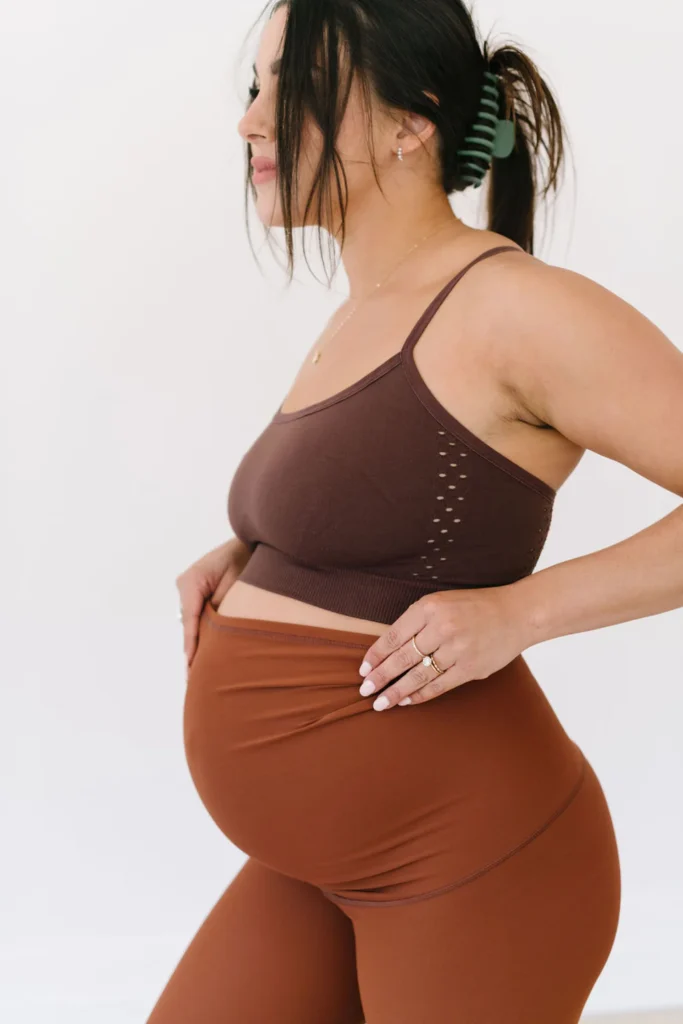
- Underwear, pads or diapers. You can bring some regular underwear, but I’d recommend bringing some disposable underwear to wear when you leave the hospital. The hospital does provide a mesh, disposable underwear for you to place a pad in after you give birth, and this can be reused with clean pads. However, I was only ever able to get one from my nurses. So, bring your own just for comfort and to avoid any awkwardness. You don’t need the expensive influencer ones (Frida Mom I’m looking at you). Something simple and comfortable will do. (These are similar to the ones I used if you want an easy option).
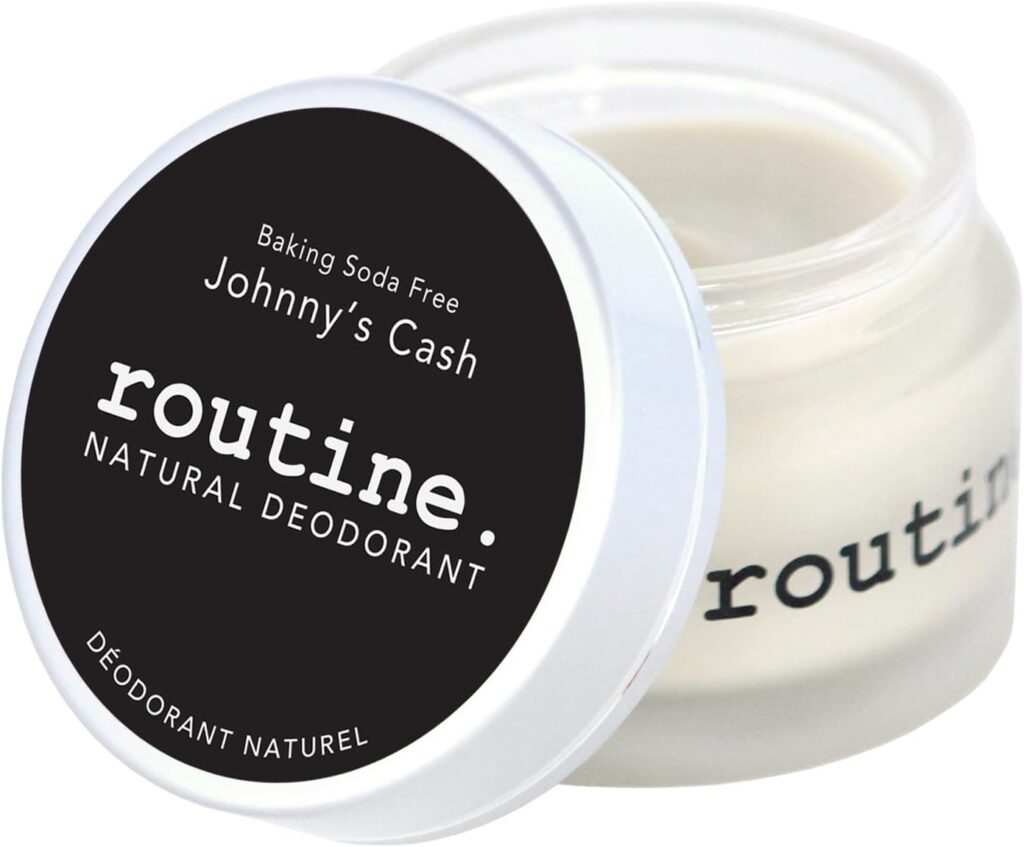
- Toiletries. Unless you’re someone who really loves wearing makeup. You can pare down your products and focus on keeping a minimal face. Think make-up remover, face wash, lotion, tinted sunscreen, and mascara. I also had an IV for my pregnancies and for some reason felt like it gave me a nice, hydrated glow for the first few days and I did not feel like putting on makeup at all. Also bring deodorant. I use Routine deodorant and love it – it’s simple, clean, and actually works. (Linking it here in case you’re curious).
- Dry shampoo. I am personally not taking a shower in the hospital unless I really need to. I’d rather use dry shampoo, wipes, and wait until I’m home.
For Baby:
- Going-home outfit.
- Blanket. For the car seat.
- Car seat. The hospital will not let you leave without showing a nurse that you can safely place your newborn in the seat.
- Diapers, wipes, and cream. Many Ontario hospitals provide some diapers and wipes, but supplies and sizes vary, so I’d recommend bringing your own.
For Labour (Vaginal and C-Section Prep): Pre and Post
- Water bottle
- A distraction. This can be a movie that you watch, or it can be games on your phone.
- Pillow or blanket from home.
This list is short for a reason. You really don’t need much for your birth. I’m sure there might be some women who disagree, but as long as you have comfy clothes and adult diapers/pads for leaving the hospital, you’re all set. During contractions you’re really just surviving so unless you have something super specific that you want to bring, you don’t need much here. If you are having a c-section, the main requirement is that if you wear contacts, that you swap them for your glasses during the surgery. Otherwise, you’re almost completely naked on the table, save for the surgical draping, for the approximately 1-hour long surgery.
What You DON’T Need:
- A birthing gown or special PJs
This is a hill I will die on: you do not need a special birthing gown. I used the hospital provided gowns almost exclusively the entire time I was in the hospital with my first two babies, or I was completely naked under the hospital bed sheets. You really don’t need to spend money on PJs you’ll realistically only use once. If you’re someone that really values comfort, go for it! But buy something cheaper or get it from Winners/Amazon. Also, if your water breaks, it is breaking all over that gown. You’re going to want to change into a clean one asap, and that will be the gown provided by the hospital.
- Grippy Socks or slippers
This is something I didn’t have for my other births and I was fine. I was really only walking around my hospital room, and I felt fine doing so in my bare feet. Obviously, this comes down to your personal preference, but your stay won’t be ruined if you don’t have something fuzzy on your feet. Worst case scenario, pack Birkenstocks or sandals (something you already have).
- Extra clothes for mom
I found I wore the hospital gowns provided my whole stay and really only changed into real clothes when I was leaving. Again, this is personal preference and does come down to how long you’re staying. Also, you will want to dress for the weather that you’re having your baby in. In colder weather this means you might just need to bring a hoody or a robe. Generally, I’d pack max two outfits for mom and one of them you can wear to the hospital.
- Extra clothes for baby
My kids spent a lot of their early hospital time swaddled or pressed up to mom/dad naked under a blanket. At maximum, I would pack 3 onesies or sleepers, either long sleeve or short, depending on the weather.
- Paperwork (*caveat is to not stress about this)
Usually, your OB or Midwife will provide a hospital package if you’re giving birth at a hospital. This package gives an overview of your birth plan, and if you’re having a scheduled c-section, it will provide details about your surgery (date/time/location). Sometimes, it includes consent forms. If you forget this at home, please know that it will not be the end of the world. The hospital usually has these packages available, and you can fill them out in your room.
- Peri-bottle or post-birth care products
The hospital I gave birth at had a peri bottle available for me to use. Granted, it wasn’t free to keep, but it made me bringing my own unnecessary. Unless you’re super attached to your peri-bottle, you can leave it at home. I would also suggest avoiding bringing a lot of post-birth care products such as perineal spray, cooling pads, hemorrhoid pads, or anything else that’s recommended as a product to be used “down there” after a vaginal birth. Similarly, for a c-section, you don’t need scar cream, silicone scar tape, or a belly binder so soon after surgery. Often for any stitches or cuts, you’ll want to keep the area clean, dry, and bandaged. Further, given how unpredictable birth can be, with even the same mom having a different experience with each birth, I’d recommend waiting until after baby comes before requesting anything related to healing. Wait to see what you need.
- Snacks or lots of food
Some people might disagree with this one. But I really feel strongly that you don’t need to bring a lot of snacks or food with you. I found I hardly touched the food I brought and seemed to gravitate towards the vending machine or ordering food from outside the hospital. The whole experience is new and unless the hospital food and cafeteria are absolute garbage, you’re going to want to try it at least once. I also found shortly after giving birth, that the food I craved was healthy and nutrient dense. Think fruit smoothies and macro bowls. I was asking my husband and mom to order food out for me a lot.
- Breast Pump
- Nursing Pillow
My Personal Recommendations
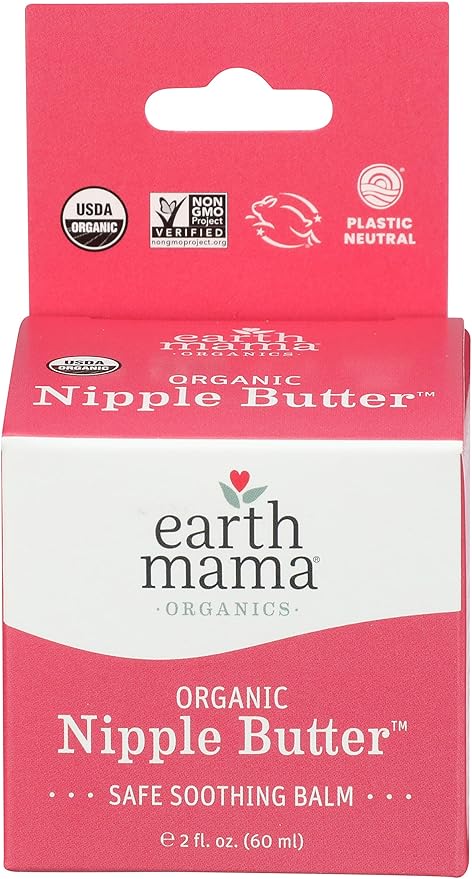
- Nipple cream. Unfortunately, breastfeeding or chestfeeding can be uncomfortable and painful at first. Both you and your baby are learning what works and sometimes this can result in red, chafed, nipples. I found the Earth Mama nipple cream to be especially healing during those first few days. It’s a bit on the greasier side, but it works! (You can find it here if you want to try it out).
- Gum. For those moms who will be having a c-section, a little-known side-effect can be trapped gas in your abdomen. It usually manifests as a very sore shoulder, and in some cases, difficulty breathing when you change positions. I know this from first-hand experience. Gum is often recommended as a tool to alleviate any trapped gases as it encourages movement in your bowels. Walking and walking often is another recommended option.
- Beer or fun drinks. I’m not saying get absolutely plastered at the hospital, I’m only suggesting bringing something fun with you to celebrate your baby’s birth. This can be a fun mocktail or a seltzer. It just elevated the whole experience and made the mood more celebratory.
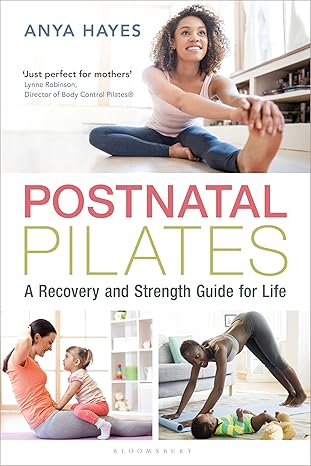
- Book on post-partum care. I found I cared the most about what to do post-partum when I was immediately post-partum. I bought Postnatal Pilates: a Recovery and Strength Guide for Life by Anya Hayes and found myself going back to it constantly in those first few days. (Linking it here if you want something helpful to reference).
- Movies or media. Watching a hospital TV is a similar experience to watching a hotel TV. It’s new and exciting to channel surf for the first few hours but gets old very quick. You’ll be up nursing your new baby very frequently (every 2 hours or less), so you’ll want to have something engaging to watch or focus on.
Download this Checklist:
If you want something simple and stress-free (without overthinking this), I created a printable version of this checklist you can follow step-by-step.
It also includes a partner checklist and extra tips from my first two births.